 800-200-3000
Learn how to create a Wikipedia page with this simple step-by-step guide, which includes information about notability and sourcing.
Creating a Wikipedia page can be a powerful way to establish your brand’s online presence.
However, it’s not as simple as writing content and hitting “publish.” Wikipedia has a lot of rules about topics and writing style, and ignoring them could mean your content never gets seen.
If you want to create an article on Wikipedia the right way, our step-by-step guide will walk you through the process. These steps allow you to create a page for a business or a person, such as an executive, founder, or professional.
From understanding what’s considered a notable topic to gathering the right sources and publishing your draft, you’ll learn what it takes to create an article that meets Wikipedia’s expectations.
NetReputation provides information and services to help you protect your digital presence. Call us at 800-200-3000 to learn more, or fill out the contact form below for a free consultation.
Key Takeaways
- A Wikipedia page must be about a notable subject with significant independent coverage.
- Wikipedia notability for a person is judged on coverage by others, not self-published material.
- Writing about yourself or your own company is a conflict of interest and is discouraged.
- Paid editing must be disclosed under Wikipedia’s rules.
- A thin or promotional page will be rejected or removed.
- The path to successful Wikipedia page creation is earning genuine coverage first.
What Is Wikipedia?
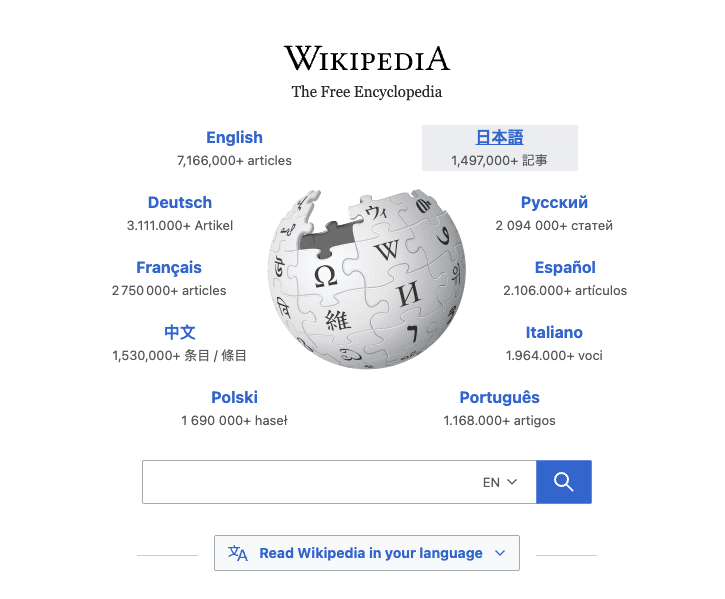
Launched in January 2001, Wikipedia has grown to become an incredible resource for people around the world. Billed as the largest free online encyclopedia, the site now gets an average of 508 million views per day. Wikipedia is also among the top three most frequently cited sources in standard Google search results, along with Reddit and YouTube.
Think of Wikipedia as a gathering place for the world’s information, all in a single location and in the public domain. Plus, every internet user has the opportunity to create a Wikipedia page, edit other pages and offer input on improving the platform. As Wikipedia puts it on its main page, it’s “the free encyclopedia that anyone can edit.”
What Are Wikipedia Articles?
Note that while there are some Wikipedia pages that aren’t articles (category, help and redirect pages) for our purposes, we’re going to use the terms “article” and “page” interchangeably.
A Wikipedia article is a page created with well-written encyclopedic information. These pages have to do the following:
- Identify a notable topic
- Comprehensively summarize the topic
- Include references to reliable sources
- Contain incoming and outgoing wikilinks about related topics
Moreover, the language style must be encyclopedic, not casual, and the page must be copyedited to a high standard.
What Does Wikipedia Consider Acceptable Sources?
Sources used on Wikipedia have to meet the following criteria:
- The information must be published and available.
- Sources can’t be anonymous and must be traceable to authors.
- There has to be reasonable evidence of authenticity.
- Sources must be relevant to the topic.
These guidelines create a minimum standard for choosing Wikipedia page sources. If you’re writing an article and want to include a source that doesn’t meet all of these criteria, it can be included in the External Links of Further Reading section, but do so with caution.
Why Do You Need a Wikipedia Page?

Understanding how Wikipedia works is helpful, but do businesses or individuals actually need their own page? What does having a page on Wikipedia do for your brand?
Ultimately, the value of Wikipedia for businesses and leaders comes down to credibility, control over information, and visibility.
Wikipedia is one of the world’s most-visited websites, and it often appears at the top of Google search results. When someone searches for your business online, Wikipedia may be among the first results they see. Instead of relying only on your website or third-party review sites to provide significant coverage of your business, creating a Wikipedia page gives users a centralized, informative resource on a site they already trust.
Wikipedia articles can also support your search engine optimization efforts. Even no-follow links on Wikipedia can reinforce your brand’s legitimacy and send valuable referral traffic to your website. Additionally, Wikipedia pages can influence what shows up in Google’s Knowledge Panels, increasing your appearance in search features that have high visibility.
Moreover, Wikipedia helps shape your brand narrative. By providing a neutral, trustworthy and well-sourced overview of your business that includes achievements, history and milestones, you allow customers, business partners and journalists to get up to speed quickly. They can view one Wikipedia entry without having to look at multiple sources.
That brings us to a related benefit: information accessibility. People love Wikipedia for its ability to provide quick answers, as a single page about a topic can have all of the accurate and timely information available in one spot.
Mere presence is just the beginning of what a Wikipedia page can do for your company. It can also make your business more discoverable, trustworthy and comprehensible.
These same benefits apply to an individual leader. For an executive or founder, a well-sourced Wikipedia page is often a top result in a name search and a reference point for journalists, investors, and partners. For those who want to build an executive brand, creating a Wikipedia page can be a key component of branding strategy.
Should I Create My Own Wikipedia Page?
Today, your online reputation plays a major role in how your brand is perceived by customers, partners, investors, the media and the rest of the public. While a Wikipedia entry can be a powerful tool for visibility, it’s not always wise to create your own page.
Wikipedia has strict guidelines about neutrality, notability and verifiability. For starters, your business should have significant coverage in independent, reliable sources before you create a Wikipedia page.
If you’re not able to meet those standards yet, it’s best to wait, as your first article could be rejected or removed after you put work into it.
It’s also important to consider if there will be a conflict of interest should you create a Wikipedia page for your own business. Wikipedia tends to discourage individuals from writing about themselves or their companies to avoid creating biased or overly promotional content.
Wikipedia also requires disclosure of paid contributions if someone is paid to edit content on behalf of an employer or client.
Articles need to be neutral and backed by reliable sources, and they shouldn’t include promotional language. Creating fake, mock, or promotional pages violates Wikipedia’s rules and tends to backfire.
Understanding these parameters, though, if you or your business meets the notability requirements and you’re able to create a Wikipedia page carefully, doing it yourself may be the quickest and best way to centralize information about your brand.
If you’d rather work with a professional team with experience creating Wikipedia business pages for clients, get in touch with us at 800-200-3000 today.
Is a Person Notable Enough for a Wikipedia Page? Executives, Founders, and Professionals
A person qualifies for a Wikipedia page only if they have received significant coverage in multiple independent, reliable, secondary sources. Any coverage that the subject controls does not count.
What does Wikipedia count toward establishing notability for a person? Independent journalism and substantial third-party profiles are considered legitimate sources for notoriety. For people, Wikipedia has additional criteria that are considered. These include major awards and widely recognized achievements.
Conversely, a company’s own website, the person’s LinkedIn or bio, press releases, routine funding or hiring announcements, and paid placements generally are not. These sources do not offer independent corroboration of a person’s notoriety and therefore do not carry much weight.
Many leaders assume a senior title or trade-press mentions are enough, but they usually are not. More is needed to establish credibility and notability.
Creating a page before appropriate coverage exists is likely to result in a rejected or deleted page. The path to a successful Wikipedia page is to earn genuine, independent media coverage first, then create the page.
This requires legitimate reputation and PR work. However, for CEOs, founders, and professionals, creating a Wikipedia page for an executive is often part of an executive branding strategy, and it folds into comprehensive executive reputation management.
How To Create a Wikipedia Page
Writing content is only part of what it takes to publish a Wikipedia page. Careful planning is key, along with having a clear understanding of the platform’s guidelines. Follow these steps to discover how to get a Wikipedia page for yourself that meets Wikipedia’s standards and has the best chance of being approved.
1. Consider Opening a Wikipedia Account
You don’t need a Wikipedia account to create, edit or read Wikipedia articles. However, there are a few benefits to creating an account, such as:
- You’ll have a unique username to use on Wikipedia and related platforms, like Wikimedia Commons.
- You can create a user page, where you can share information about yourself.
- You can access the sandbox, where you can draft new articles and practice developing your Wikipedia entry without affecting the live encyclopedia.
2. Check That a Company Page Doesn’t Already Exist
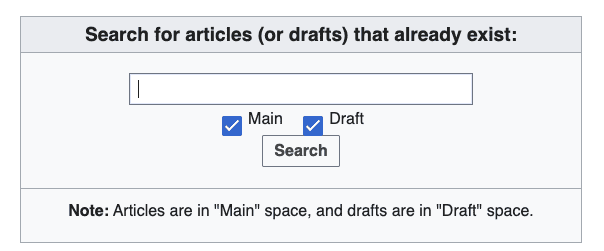
Since anyone can create article content on Wikipedia, you should double-check that a page doesn’t already exist for your brand. Wikipedia’s “Your First Article” help page has a search box where you can look for existing articles or drafts that cover your topic.
If you do find that a page already exists for you or your company, editing it is a better option than creating a new page.
3. Learn the Basics Before You Create a Wikipedia Page
Since Wikipedia has pretty strict guidelines to follow, before you create a Wikipedia page, it pays to get practice by editing other articles. Contributing to Wikipedia is the quickest way to learn about the basics of editing, style guidelines and other best practices.
It’s also helpful to practice in your sandbox before you officially publish your company page. By using the Wikipedia Article Wizard, you can experiment with creating Wikipedia content without impacting live articles.
4. Gather Sources and Determine Topic Notability
As mentioned, Wikipedia articles are written based on high-quality published sources. Before you begin writing, gather your sources, which will also help you determine topic notability.
Notability is determined by the number of quality sources published about a topic. Put simply, a topic that’s been covered by a number of quality sources is usually considered notable enough to warrant a Wikipedia page.
Keep in mind that unreliable sources like social media, along with some blog posts and websites, don’t count. While there may be a lot of social media chatter about you, or you may have maintained an active blog, that isn’t enough for a Wikipedia page.
5. Refer to Similar Wikipedia Pages
Check out other Wikipedia pages on similar topics, such as other company pages in your niche, for formatting and layout ideas. It’s best to create templates from highly rated pages. If the page you’re on has a Talk link at the top, click it to see if there’s a quality rating.
For example, if you go to the page for Australia, you’ll see a Talk link at the top, right under the page name and to the right of Article.

On the Talk page, you’ll see a rating. This particular page has an FA rating.

By going to Wikipedia’s Content Assessment page, you can see what that rating means. In this case, FA means that the article has reached featured article status. If this were a page for a company or leader, it would be a reputable one to refer to when creating a template for your page.
6. Start Writing a Draft
Once you’ve verified that a page for your topic doesn’t already exist, gathered sources to determine notability, and come up with a layout plan, you can finally start writing.
It’s best to create your draft in your sandbox, but you can also use your “draftspace,” which is for creating new articles. It’s most helpful to use the Article Wizard, which will create an article in your draftspace and walk you through the necessary steps.
Here are a few pointers for creating a meaningful Wikipedia article:
- Don’t copy wording from your sources. Instead, summarize the most important points from your sources.
- Fairly represent all viewpoints. Remember, an encyclopedic tone shouldn’t include your first-person experiences or opinions.
- Don’t use promotional language. You shouldn’t create an article on Wikipedia for obvious marketing purposes.
- Add citations as you go instead of trying to go back once the article is written to add sources. Remember, you’ll need a lot of them. All of the content you include in a Wikipedia article must be backed by reliable sources.
There’s no need to create a Wikipedia page in one sitting. Considering that Wikipedia content must meet certain strict criteria, it’s often a better approach to write a part of it, take a break, and then come back.
7. Publish Your Draft to Create a Wikipedia Page
Once you’re finished with your draft, you can publish your article, or you can ask an editor to review it. There will be a button at the top of your draft for sending it to an editor.
Note that if you don’t have a Wikipedia account, it’s required that an editor review it before publishing. Otherwise, the choice is yours.
Get Professional Help Creating a Wikipedia Page
Creating a Wikipedia page may sound somewhat straightforward, but as you’ve seen, the reality is much more complex than most people expect. Between strict guidelines including notability proof, neutral writing standards, and serious editorial oversight, even the most well-intentioned page creators find that their content is flagged or rejected.
This is why professional support can make such a difference.
At NetReputation, we specialize in helping individuals and businesses navigate the complicated and specific Wikipedia process. Instead of taking the trial-and-error route, we’re able to build pages that follow the platform’s rules while benefiting your executive brand or business.
What Our Clients Say

“We had three negative news articles ranking on the first page of Google for our company name. Within four months, NetReputation had pushed them off page one entirely. Our sales pipeline recovered almost immediately. I wish we had called them sooner.”
“We operate 47 franchise locations and reputation management was a constant headache. NetReputation built a scalable system that monitors and responds to reviews across all our locations automatically. Our average rating went from 3.8 to 4.7 in six months.”
“A former employee launched a coordinated smear campaign against us online. NetReputation's crisis team responded within 24 hours, had a counter-strategy in place by day three, and within 90 days the damaging content was buried. Their speed and expertise saved our company.”
Learn more about our Wikipedia Business Page Solutions and Wikipedia solutions for individuals by calling 800-200-3000 to speak with an expert.
Frequently Asked Questions
Can anyone get a Wikipedia page?
No. The subject of the Wikipedia page must be notable. Wikipedia notability for a person means they must be covered significantly by independent, reliable sources.
Am I notable enough for a Wikipedia page?
If you want to understand how to get a Wikipedia page for yourself, look for multiple substantial, independent articles about you. These are required to establish notability. Keep in mind that self-published material, press releases, and routine announcements do not count.
Can I create a Wikipedia page about myself or my CEO?
You can, but it is a conflict of interest that Wikipedia discourages. Also, any paid editing must be disclosed. A neutral, well-sourced page is more likely to be published and remain live long-term. Rather than create a page for yourself, an executive reputation management company can assist with this process.
Why do Wikipedia pages get rejected or deleted?
This happens most often due to lack of notability. A promotional tone can also result in rejection, as well as weak sourcing of the material.
Is it legal or advisable to make a fake Wikipedia page?
Fake or mock pages violate Wikipedia’s rules and do not help your reputation. The best approach is a legitimate, well-sourced page.
 800-200-3000
 Rated #1 by Newsweek
 100% Confidential